

What Are Allergens in Baking? A Guide
Editorial TeamTable of Contents
- What Are Allergens in Baking?
- Common Allergens in Cakes
- Allergen Labelling for Cakes
- Cross-Contamination in Baking
- Allergen Substitutes for Baking
- Making Your Bakes Inclusive for Everyone
- Frequently Asked Questions
Last Updated: October 9, 2026
What Are Allergens in Baking?
Allergens in baking are ingredients that trigger immune system reactions in people with food allergies or intolerances. When someone eats a cake or baked good containing an allergen they're sensitive to, their body may react with anything from mild itching to severe swelling or difficulty breathing.
Understanding allergens in baking matters because many traditional cake recipes contain common trigger foods. If you're baking for others, especially children, knowing which ingredients cause reactions helps you create inclusive treats everyone can safely enjoy.
At Simply Toppers, we know how important it is to get this right. We've been crafting allergen-friendly cake decorations since 2013, and we've learned that allergen awareness starts in the kitchen. It's not just about listing ingredients on a label. It's about understanding where hidden allergens hide and how cross-contamination happens during baking.
This guide walks you through the most common allergens found in cakes, how to spot them, and practical steps to keep your bakes safe for everyone at the table.
Common Allergens in Cakes
The 14 Major Allergens
The most serious food allergens are often called "the 14 major allergens." In the UK, food labelling rules require these to be clearly marked on packaging because they account for the vast majority of allergic reactions.
The main allergens in baking include:
- Milk and dairy products
- Eggs
- Peanuts
- Tree nuts (almonds, walnuts, cashews, etc.)
- Fish
- Shellfish
- Sesame
- Soya
In cake baking, the first five appear most often. Milk and eggs are staples in traditional cakes. Nuts turn up in many recipes, either as main ingredients or mixed into batters and fillings. Soya often hides in commercial chocolate and some cake mixes.
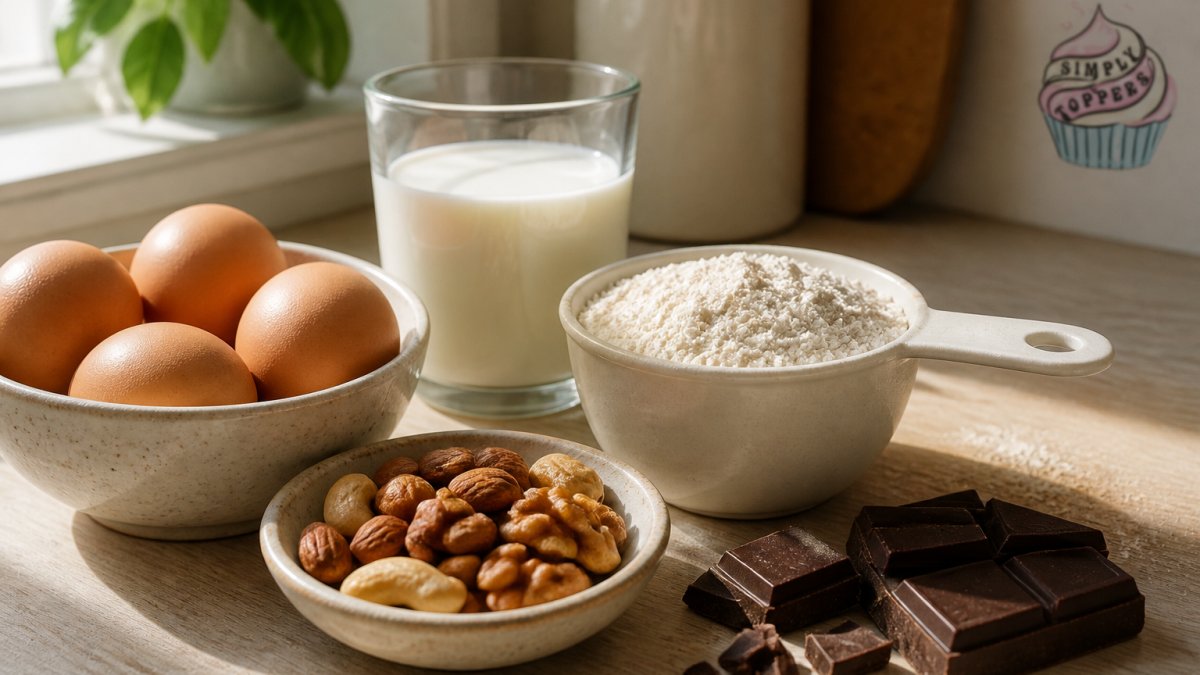
Fish and shellfish rarely appear in cakes, but sesame is becoming more common in modern recipes and toppings. Always check ingredient lists carefully, especially for commercial products.
Hidden Allergens to Watch For
Some allergens hide where you'd least expect them. These "hidden allergens" catch people off guard because they're not obvious ingredients.
Common places hidden allergens lurk:
- Chocolate and cocoa products, Many contain milk, even if the label says "dark chocolate." Some also contain traces of nuts from shared manufacturing facilities.
- Cake mixes and pre-made products, These often contain soya lecithin as an emulsifier, plus milk powder and egg powder.
- Vanilla extract, Some brands contain alcohol made from grain, which may affect people with gluten sensitivity.
- Food colourings and additives, Certain E-numbers can trigger reactions in sensitive individuals, though true allergies to dyes are rare.
- Baking powder and raising agents, Some contain cornflour or other fillers that may cross-react with allergies.
- Nut oils and nut butters, These can appear in fillings, frostings, or drizzles without being immediately obvious.
The safest approach is to read every ingredient label, even on items you've used before. Manufacturers change recipes and suppliers, so what was safe last month might contain new allergens this month.
Allergen Labelling for Cakes
If you're baking for a gathering or selling cakes, clear allergen labelling protects your guests and meets legal requirements. In the UK, allergen information must be provided for pre-packaged foods, and good practice extends this to home-baked goods shared with others.
Proper allergen labelling should:
- List all 14 major allergens present in the cake
- Note potential cross-contact (e.g., "made in a kitchen that also handles nuts")
- Be visible and easy to read, don't bury it in tiny text
- Include the allergen name clearly, not just "may contain traces"
- Update the label if you change suppliers or recipes
When you're decorating a cake, your topper choice matters too. Simply Toppers edible decorations are 100% vegan, dairy-free, and gluten-free, so you can add beautiful toppers without introducing new allergens. This makes labelling simpler and gives your guests confidence.
For cakes made at home and served to family, write a simple card listing the main allergens. For cakes sold or served at events, more detailed labelling is essential, and legally required in many cases.
Cross-Contamination in Baking
How Cross-Contact Happens
Cross-contamination occurs when an allergen moves from one food to another, even in tiny amounts. In a busy kitchen, this happens more easily than you'd think.
Common cross-contamination routes:
- Shared utensils, A spoon used in peanut butter, then dipped into a bowl of cake batter, transfers peanut protein.
- Chopping boards, Nuts chopped on a board shed tiny particles that stick around even after washing.
- Hands and fingers, Touching an allergen, then handling dough or batter spreads it.
- Airborne particles, Flour dust or nut dust can settle on surfaces and food.
- Shared equipment, Mixers, blenders, and food processors trap allergen particles in crevices.
For someone with a severe allergy, even microscopic amounts can trigger a reaction. Cross-contact isn't just messy, it's a serious safety issue.
Preventing Cross-Contamination in Your Kitchen
If you're baking allergen-free cakes for someone with a severe allergy, dedicated equipment and careful technique are essential.
Steps to prevent cross-contact:
- Use separate utensils and chopping boards, Keep one set exclusively for allergen-free baking. Label them clearly.
- Clean thoroughly before starting, Wash hands, wipe down surfaces, and run equipment through the dishwasher on a hot cycle.
- Prepare allergen-free items first, Bake the safe cake before handling any allergen-containing ingredients.
- Avoid multi-tasking, Don't switch between allergen-free and allergen-containing foods without cleaning in between.
- Store ingredients separately, Keep allergen-free flours, sugars, and other staples in sealed containers away from potential contaminants.
- Inform anyone helping, Make sure family members understand the importance of not mixing utensils or touching allergen-free food after handling allergens.
These steps take extra time, but they're the difference between a safe cake and a dangerous one for someone with a severe allergy.
Allergen Substitutes for Baking
Egg Replacements
Eggs bind ingredients, add moisture, and help cakes rise. Removing them requires a substitute that performs similarly.
Common egg replacements:
- Applesauce or mashed banana, Use 1/4 cup per egg. Works best in dense cakes like brownies. Adds sweetness, so reduce sugar slightly.
- Flax or chia seeds, Mix 1 tablespoon ground seeds with 3 tablespoons water per egg. Let sit 15 minutes to thicken. Good for structure.
- Aquafaba, The liquid from tinned chickpeas. Use 3 tablespoons per egg. Whips into peaks like egg whites for lighter cakes.
- Commercial egg replacers, Products like Bob's Red Mill work reliably. Follow packet instructions.
- Silken tofu, Blend 1/4 cup per egg. Creates moist, tender crumb.
Each substitute changes the cake slightly. Applesauce makes denser cakes. Aquafaba creates airier texture. Experiment to find what works for your recipe.
Dairy Alternatives
Milk and butter appear in nearly every traditional cake recipe. Fortunately, substitutes work well in most baking.
Reliable dairy alternatives:
- Plant-based milks, Oat, almond, soya, and coconut milk work 1:1 for regular milk. Oat milk is closest in texture.
- Coconut cream, Use full-fat tinned coconut cream for richness. Thin with water to match milk consistency.
- Vegan butter, Substitute 1:1 for regular butter. Choose brands with similar water content for best results.
- Coconut oil, Use refined (flavourless) versions. Works well in chocolate cakes. Use slightly less than butter called for.
- Aquafaba, Can replace some milk in recipes for moisture.
Vegan baking has become mainstream, so most cakes made with these swaps taste excellent. The key is choosing products with similar fat content to what the recipe calls for.
Gluten-Free Flour Options
Gluten gives cakes structure and elasticity. Removing it requires blending different flours to replicate those properties.
Best gluten-free flour blends:
- Commercial gluten-free flour mixes, Brands like Bob's Red Mill and Doves Farm include xanthan gum already. Use 1:1 as a simple swap.
- Rice flour + cornflour + tapioca starch, Mix in ratios of 1:1:1 for all-purpose gluten-free baking.
- Almond flour, Adds moisture and richness. Use in combination with other flours, not alone.
- Buckwheat flour, Despite the name, it's gluten-free. Adds nutty flavour and structure.
- Oat flour, Certified gluten-free oats ground into flour. Adds texture and slight sweetness.
Gluten-free cakes often need slightly more liquid and sometimes a binder like xanthan gum. They may be denser than traditional cakes, but modern recipes produce excellent results.
Making Your Bakes Inclusive for Everyone
Creating allergen-friendly cakes isn't just about removing ingredients, it's about making sure everyone at your celebration feels included and safe.
Here's how to approach it:
Know your guests. Ask ahead about allergies, intolerances, and dietary preferences. Some people avoid allergens for ethical reasons, others for medical necessity. Both deserve respect.
Label clearly. Write down what's in each cake and what it doesn't contain. "Dairy-free, egg-free, gluten-free" tells people immediately whether it's safe for them.
Offer variety. If you're hosting, consider making two cakes, one traditional and one allergen-free. This way, no one feels singled out.
Don't apologise for allergen-free cakes. They're not inferior substitutes. Modern allergen-free baking produces genuinely delicious results that everyone enjoys, regardless of allergies.
Use quality decorations. Simply Toppers edible toppers are handmade and can be custom made or ordered to suit your needs. They're made without dairy, gluten, or animal products, so they work beautifully on any cake, traditional or allergen-free. Award-winning and trusted by families across the UK, they add a professional finish that shows you've put thought into every detail.
When you bake with allergen awareness, you're not just following rules. You're saying to your guests: "Your safety and inclusion matter to me."
Understanding allergens in baking opens doors to creating cakes that everyone can enjoy together. Whether you're baking for a child with a peanut allergy, a friend who's coeliac, or someone choosing a vegan lifestyle, the same principles apply: know your ingredients, prevent cross-contact, and choose quality substitutes.
Simply Toppers makes the final step easier. Our handmade edible decorations are free from dairy, gluten, and animal products, so you can top your allergen-friendly cake with confidence. Award-winning and trusted by families across the UK, our toppers turn careful baking into something beautiful. Get in touch to find the perfect design for your next celebration.
Frequently Asked Questions
What are the most common allergens in baking?
The most common allergens in baking are milk, eggs, peanuts, tree nuts, wheat, soya, and sesame. These ingredients appear frequently in cakes, biscuits, and decorations. Many baked goods also contain hidden allergens in thickeners, emulsifiers, or flavourings. Always check ingredient lists carefully, especially when baking for someone with a known allergy. If you're unsure about any ingredient, contact the supplier for full allergen information.
How can I prevent cross-contamination in baking when making allergen-free cakes?
Use dedicated equipment and utensils that haven't touched allergenic ingredients. Clean your workspace thoroughly with hot soapy water before starting. Store allergen-free ingredients separately from others, preferably on different shelves. Wash your hands carefully after handling any allergenic ingredients. Consider using separate chopping boards and mixing bowls. If baking in a shared kitchen, inform others to avoid cross-contact and keep allergen-free items clearly labelled and protected.
What allergen substitutes work best for baking without eggs, dairy, or gluten?
For eggs, try aquafaba (chickpea liquid), applesauce, or commercial egg replacers. For dairy, use plant-based milks like oat or almond milk, and dairy-free butter or coconut oil. For gluten, rice flour, almond flour, or specialist gluten-free flour blends work well, though you may need a binder like xanthan gum. Allergen substitutes for baking require testing, as ratios vary by recipe. Start by replacing one ingredient at a time and adjust as needed. Many bakers find that combining substitutes gives the best results.
How do I know if cake decorations are safe for someone with allergies?
Always request a full ingredient list and allergen statement from the supplier. Check whether the decorations are made in a facility that processes common allergens. Look for third-party certifications like vegan or gluten-free logos. Ask about allergen labelling for cakes and decorations, reputable suppliers will clearly state what allergens their products contain or might have been exposed to. If you're ordering custom decorations, discuss allergen concerns with the maker before placing your order to ensure they can meet your requirements safely.