

Are Edible Decorations Child Friendly? A Safety Guide
Editorial TeamTable of Contents
- Are Edible Decorations Child Friendly?
- Edible vs. Non-Edible: What Makes the Difference
- Choking Hazards in Cake Decorating: What Parents Need to Know
- Allergen-Free Cake Toppers for Inclusive Celebrations
- Safety Regulations and Food Standards for Cake Decorations
- How to Store Edible Sugar Paste and Keep Decorations Fresh
- Best Practices for Safe Cake Decorating at Home
- Conclusion
- Frequently Asked Questions
Last Updated: August 27, 2026
Are Edible Decorations Child Friendly?
When you're planning a child's birthday party or celebration, the last thing you want is to worry about whether the decorations on the cake are actually safe to eat. At Simply Toppers, we've spent over a decade creating handmade edible decorations that parents can trust completely. The question of whether edible decorations are child friendly isn't straightforward, it depends on what they're made from, how they're applied, and what precautions you take.

Edible decorations made from food-grade ingredients like sugar paste and fondant are fundamentally different from non-edible plastic toppers. But "edible" doesn't automatically mean "safe for all children." Allergen content, choking hazards, and proper storage all play a role in determining whether a decoration is truly child friendly.
This guide covers everything parents and bakers need to know about edible decorations, from understanding the safety standards that govern them to practical tips for using them safely at home. We'll explore what makes some edible decorations better choices for young children, how to identify potential risks, and the best practices that ensure celebrations remain both beautiful and secure.
Edible vs. Non-Edible: What Makes the Difference
The fundamental distinction between edible and non-edible cake toppers comes down to their intended purpose and composition. Edible decorations are created from food-grade materials that can be safely ingested, whilst non-edible toppers are designed purely for visual appeal and must be removed before eating.

Edible decorations typically use sugar paste, fondant, wafer paper, icing sheets, or edible glitter as their base materials. These are formulated to be food-safe and, when made to proper standards, contain no toxic substances. Non-edible toppers, by contrast, often use plastic, resin, or other materials that may contain harmful chemicals or present choking hazards if accidentally ingested.
The key difference for child safety is that edible decorations eliminate the risk of a child accidentally consuming something toxic. However, this doesn't mean all edible decorations are equally safe for young children, factors like allergen content and choking hazard size still matter significantly.
When choosing between edible and non-edible options, consider your audience. For celebrations with very young children (under three years old), edible decorations are the safer choice because they remove the risk entirely. For older children and adults, non-edible toppers can work fine provided they're clearly marked and removed before serving.
Simply Toppers creates edible decorations from premium sugar paste that's 100% vegan, dairy-free, and gluten-free. This means families with dietary restrictions or allergies can use our toppers without worry, they're designed to be safe for everyone at the celebration.
Choking Hazards in Cake Decorating: What Parents Need to Know
Choking hazards represent one of the most important safety considerations when using cake decorations around young children. The risk isn't unique to edible decorations, it applies to any small object that could be swallowed whole.
Child safety guidance typically classifies objects smaller than approximately 3 centimetres in diameter as potential choking hazards for children under three years old. This measurement is critical because it's the threshold where an object can become lodged in a child's airway.
When selecting edible decorations for young children, check the size of individual elements. A large fondant topper shaped like a character is generally safe, but small decorative elements like sugar pearls or tiny edible glitter particles could pose a risk if a young child puts them directly in their mouth without chewing.
The common mistake many parents make is assuming that because something is edible, it's safe to leave unattended. Supervision remains essential. Even with food-grade decorations, children should be watched whilst eating cake, just as they would be with any food item.
Here's what most guides miss: the real choking risk often comes not from the decoration itself, but from how it's applied. If a topper is loosely attached or sits on top of the cake in pieces, a child might grab and swallow a chunk without properly chewing it first. Decorations that are firmly adhered to the cake surface or baked into the cake itself present lower risk.
Non-food-grade plastic toys placed on cakes represent a more serious hazard. These items may contain chemicals that migrate into the cake, and if a child ingests them, they present both choking and toxicity risks. This is why food-safe alternatives are strongly preferred for children's celebrations.
Allergen-Free Cake Toppers for Inclusive Celebrations
Creating a celebration where every child can safely enjoy the cake requires careful attention to allergens. Many traditional cake decorations contain hidden allergens, dairy, gluten, nuts, or soy, that can exclude children with dietary restrictions or allergies.
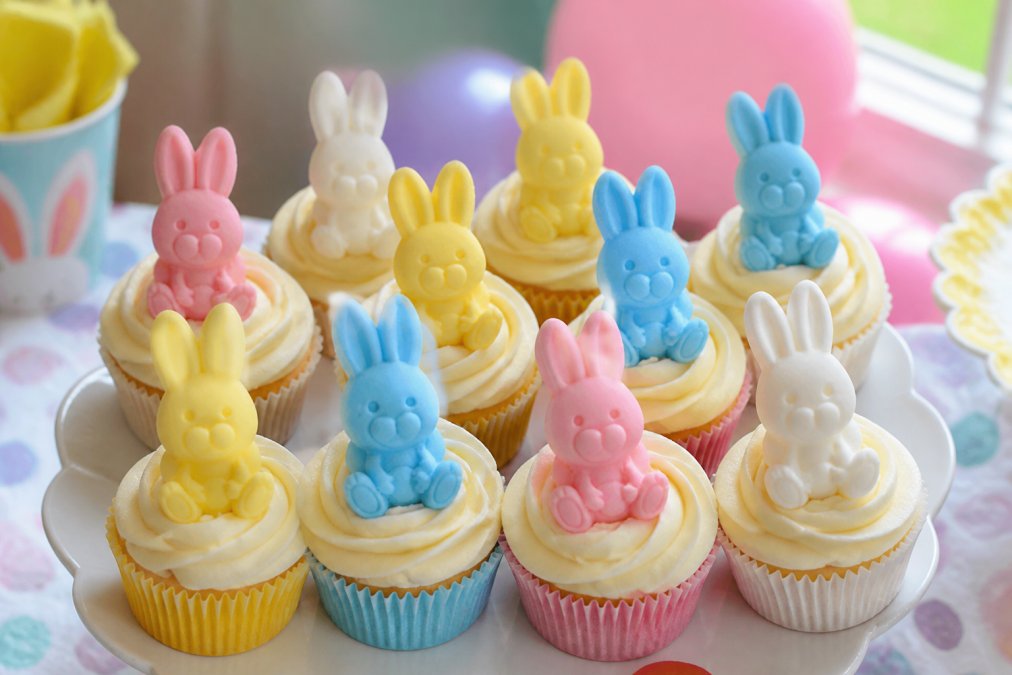
Allergen-friendly cake toppers solve this problem by being formulated without common allergens. Simply Toppers specialises in creating decorations that are 100% vegan, dairy-free, and gluten-free, which means they're safe for children with coeliac disease, dairy allergies, egg allergies, and vegan dietary requirements.
The importance of allergen-free decorations goes beyond just the topper itself. When a child with a severe peanut allergy or coeliac disease watches other children enjoy cake with decorations they can't have, it creates a sense of exclusion. Allergen-friendly options ensure that all children at the celebration can participate equally.
Cross-contamination is another critical consideration. Even if a topper is technically allergen-free, it may have been prepared in a facility that also processes allergens. Quality manufacturers maintain strict protocols to prevent cross-contamination, using dedicated equipment and preparation areas for allergen-free products.
When ordering custom toppers or selecting pre-made decorations, always ask about allergen certifications and manufacturing practices. Reputable providers will have documentation showing their products meet food safety standards and are genuinely free from specified allergens.
Safety Regulations and Food Standards for Cake Decorations
The safety of edible decorations is governed by food safety regulations that apply across the food industry. In the UK, edible decorations must comply with food safety standards set out in Food Standards Agency guidance and the Food Safety Act 1990.
Food-grade materials used in edible decorations must not contain toxic substances or harmful chemicals. This includes ensuring that any colours, flavourings, or additives used meet regulatory requirements for food safety. Non-food-grade plastics, by contrast, may contain chemicals like bisphenol A (BPA) or phthalates that can leach into food, particularly when the plastic comes into direct contact with cake or sits in warm conditions.
Regulatory compliance means that commercially produced edible decorations from established manufacturers have been tested and verified to meet safety standards. When you purchase from a reputable provider like Simply Toppers, you're buying products that have undergone proper food safety assessment. Learn more about healthy ingredient choices.
Home bakers creating their own decorations should understand that whilst making fondant or sugar paste at home is generally safe, the ingredients must be food-grade and the preparation environment must be clean. Any colours or flavourings added should be specifically intended for food use.
The distinction between commercial standards and home preparation is important. A commercial baker has access to food-grade ingredients and follows strict protocols. A home baker using regular craft supplies or non-food-grade materials is creating decorations that should not be ingested, even if they look edible.
How to Store Edible Sugar Paste and Keep Decorations Fresh
Proper storage of edible sugar paste and fondant decorations is essential for maintaining both their appearance and food safety. Sugar paste is sensitive to moisture, temperature, and humidity, all of which affect how long decorations remain fresh and safe to eat.
Store finished edible decorations in an airtight container at room temperature, away from direct sunlight and heat sources. Most sugar paste toppers will remain fresh for several weeks when stored correctly. The key is preventing moisture from entering the container, which can cause the decorations to become sticky or develop mould.
Never store edible decorations in the refrigerator unless the cake itself requires refrigeration. The moisture in a fridge can damage the decorations and cause colours to run or blur. If you must refrigerate a decorated cake, place it in an airtight container to minimise moisture exposure.
Before applying decorations to a cake, check that they're in good condition. Discoloured decorations, visible mould, or an off smell are signs that storage conditions weren't ideal and the decoration should not be used. Food safety means discarding decorations that show any signs of spoilage.
Temperature control matters significantly. Sugar paste can become too soft in very warm conditions, potentially losing its shape or becoming difficult to handle. In cold conditions, it may become brittle. Room temperature (around 18-20°C) is ideal for storage.
When ordering edible decorations in advance, discuss delivery and storage with your supplier. Simply Toppers provides guidance on how to store toppers so they arrive in perfect condition and remain fresh until you're ready to use them.
Best Practices for Safe Cake Decorating at Home
Applying edible decorations safely requires attention to technique, hygiene, and supervision. Even with food-grade materials, proper application ensures that decorations stay secure and don't pose risks during the celebration.
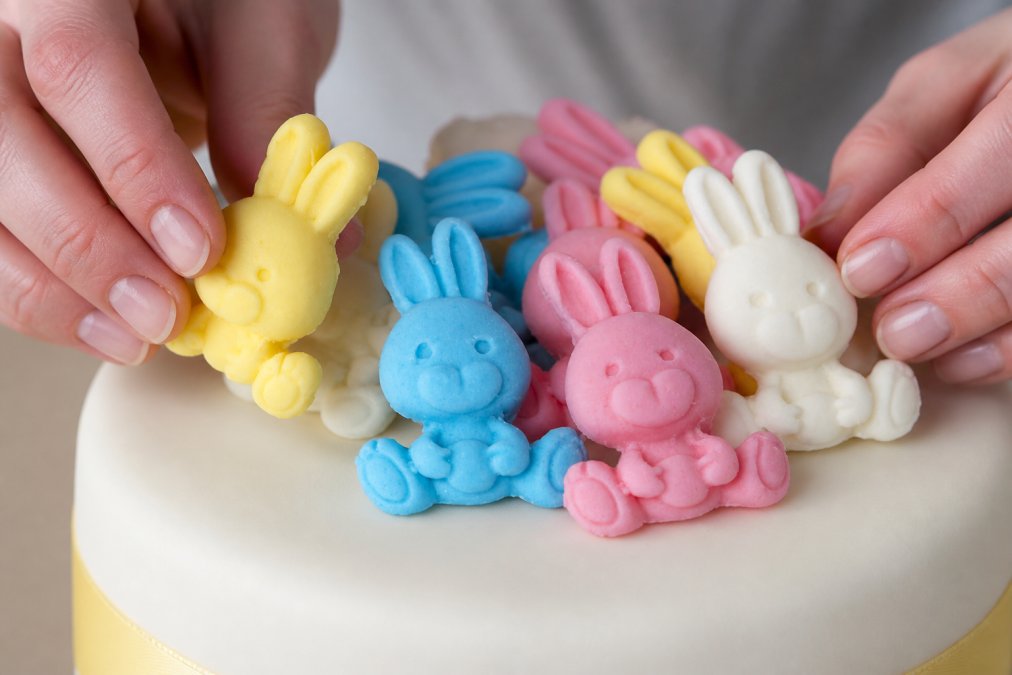
Start with a clean, dry cake surface. Any crumbs, frosting debris, or moisture can prevent decorations from adhering properly. Use a small amount of edible glue, water, or frosting to secure toppers firmly to the cake. The decoration should not move or shift when gently pressed.
For young children's cakes, position decorations so they're integrated into the cake rather than sitting loosely on top. A topper that's part of the cake design is less likely to be grabbed and pulled off. Avoid placing multiple small decorations in positions where a child might easily detach them.
Supervise children whilst they're eating cake with decorations. This isn't because edible decorations are inherently unsafe, it's because any eating should be supervised with young children. An adult present can ensure that the child is chewing properly and not trying to swallow large pieces whole.
If you're using non-edible decorations (which we don't recommend for young children's cakes), remove them completely before serving. Don't assume children will know not to eat them, remove the temptation entirely.
Hygiene matters throughout the decorating process. Wash your hands before handling decorations, use clean utensils, and work on a clean surface. This prevents bacteria or contaminants from compromising food safety.
For home bakers working with edible sugar paste, keep your workspace organised and separate from any craft supplies or non-food items. The barrier method, creating a clear physical separation between food and non-food areas, prevents accidental cross-contamination.
Conclusion
Edible decorations can absolutely be child friendly when they're made from food-grade materials, properly stored, and applied with care. The key is understanding the difference between genuinely edible, food-safe decorations and non-edible items that only look like they can be eaten.
Simply Toppers creates handmade edible decorations specifically designed with child safety in mind. Our sugar paste toppers are 100% vegan, dairy-free, and gluten-free, making them safe for children with allergies and dietary requirements. With over a decade of experience and award recognition for our commitment to allergen-friendly products, we ensure that every celebration is inclusive and secure. Explore our range of child-friendly toppers and discover how easy it is to create beautiful, safe celebrations for every child.

Frequently Asked Questions
Are edible cake toppers safe for toddlers?
Edible cake toppers made from food-grade sugar paste are generally safe for toddlers when chosen carefully. However, size matters significantly. Toppers should be large enough that they cannot fit entirely in a child's mouth. Supervision during eating is essential, and parents should remove toppers before serving cake to very young children if they're concerned about choking risk. Look for toppers specifically designed with child safety in mind, and always check ingredients for common allergens.
What makes edible decorations different from non-edible ones?
Edible decorations are made from food-safe materials like sugar paste, fondant, wafer paper, and edible ink, meaning they're safe to ingest if swallowed. Non-edible toppers are often made from plastic, wood, or other materials that pose choking hazards and should never be eaten. The key difference is that edible decorations can safely become part of the cake if a child swallows them, whereas non-edible items must be removed before serving to children.
How do I know if a cake decoration is a choking hazard?
A decoration is a potential choking hazard if it's small enough to fit entirely in a child's mouth, hard or sticky (which can lodge in the throat), or has small detachable parts. For children under five, avoid decorations smaller than a 50p coin. Check that edible toppers are made from soft, pliable materials like sugar paste rather than hard candy. Always supervise children whilst eating, and consider removing decorations before serving to very young children if you're concerned about safety.
Are vegan and gluten-free cake toppers safe for children with allergies?
Vegan and gluten-free cake toppers can be excellent choices for children with dietary restrictions, but safety depends on how they're made and handled. Look for toppers from providers who use certified allergen-free processes and clearly list all ingredients. Cross-contamination during production is a real concern for children with severe allergies like coeliac disease or peanut allergies. Check certifications, ask about production methods, and always verify ingredients match your child's specific dietary needs before purchasing.
This article was written using GrandRanker