

Are Handmade Sugar Toppers Edible? A 2026 Guide
Editorial TeamTable of Contents
- What Makes Handmade Sugar Toppers Edible?
- Are Sugar Toppers Safe to Eat? Food Safety Explained
- Vegan and Gluten-Free Cake Toppers: What to Look For
- How to Store Sugar Paste Toppers Properly
- Shelf Life of Handmade Sugar Toppers: What to Expect
- How to Apply Sugar Toppers for a Professional Finish
- Disposal of Non-Edible Supports and Packaging
- Conclusion
Last Updated: August 20, 2026
What Makes Handmade Sugar Toppers Edible?
Handmade sugar toppers are edible cake decorations crafted entirely from food-grade ingredients designed to be safely consumed as part of your bake. At Simply Toppers, we've been making these by hand since 2013, and the question we hear most often is a simple one: can you actually eat them? The answer is yes, provided they're made from the right materials.
Sugar toppers edible status comes down to what goes into them. Every ingredient must meet food safety standards set by the Food Standards Agency guidance on food additives and ingredients, and reputable makers use only approved colourings, flavourings, and base pastes.
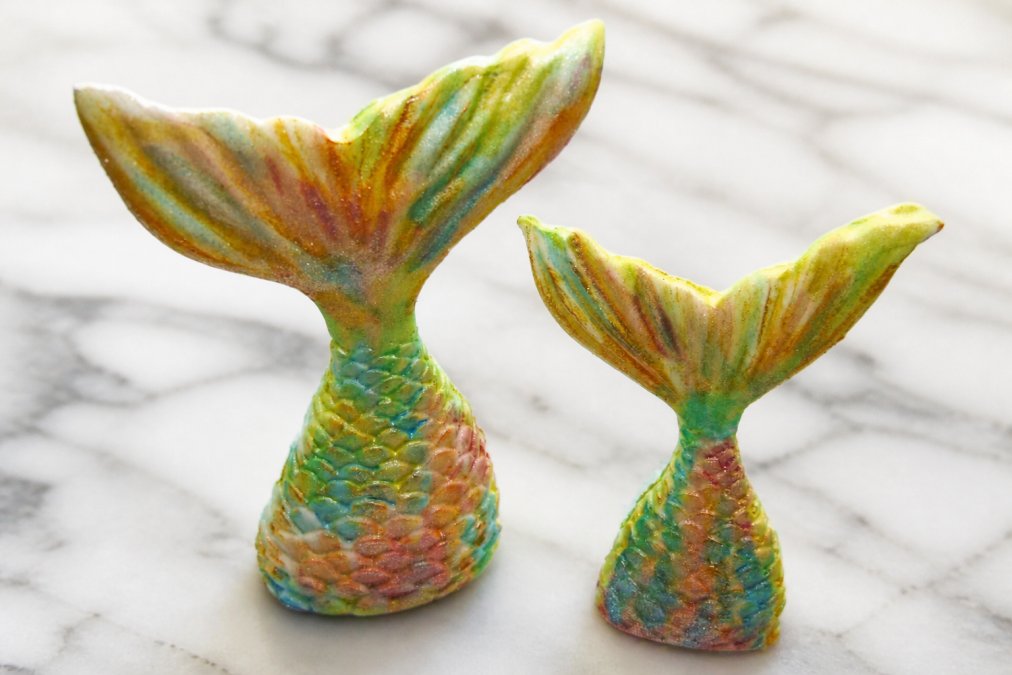
Common Ingredients in Sugar Paste and Gumpaste
Sugar paste is the most widely used base for handmade cake decorations. Its core ingredients are typically icing sugar, glucose syrup, vegetable shortening, and a gelling agent such as gelatine or, in vegan formulations, a plant-based alternative like carrageenan or methylcellulose.
Gumpaste (also called florist paste or modelling paste) is similar but dries harder and holds fine detail better, making it ideal for intricate shapes. It sets firm enough to hold structural forms like flowers and figures, yet remains fully edible once dry.
Other ingredients you'll commonly find include:
- Food-grade colouring agents (gel or powder)
- Edible glitter made from mica, starch, or sugar
- Edible ink for printed sugar sheets and wafer paper designs
- Tylose powder or CMC, which strengthens the paste for detailed sugar craft
The distinction between sugar paste, gumpaste, and modelling paste is mostly about texture and drying time. All three are edible when made correctly.
Edible vs Food-Safe: Understanding the Difference
This is where a lot of confusion creeps in, and it matters more than most people realise.
Edible means the item is safe to eat. Every ingredient is food-grade and approved for consumption.
Food-safe means the item won't harm you if it comes into contact with food, but it is NOT intended to be eaten. Wires, picks, and plastic supports used in cake decorating are often described as food-safe, but they must be removed before serving.
Some decorations are sold as "non-toxic" rather than edible. Non-toxic does not mean edible. It simply means the material won't cause acute poisoning if accidentally ingested in small amounts. Always check whether a topper is explicitly labelled as edible before placing it on a cake for guests.
Are Sugar Toppers Safe to Eat? Food Safety Explained
Sugar toppers are safe to eat when they are made from approved food-grade ingredients and handled correctly throughout production. The key word is "approved": food colouring agents, flavourings, and additives used in confectionery must comply with the UK food additives regulations and permitted substances list to be legally sold for consumption.
For home bakers and parents planning celebrations, the practical checklist is short:
- Confirm the topper is explicitly described as edible, not just food-safe or non-toxic
- Check for a full ingredient list or allergen declaration
- Verify the maker follows good hygiene practices (look for allergen statements and production environment details)
- Store correctly until use (more on this below)
Simply Toppers' decorations are 100% edible and handmade to order, which means they go from our workbench to your cake without a long chain of intermediaries where contamination risk can build up.
Allergen Information You Should Always Check
Allergen labelling is not optional. Under the UK Food Information for Consumers Regulation (Natasha's Law) guidance, businesses selling pre-packed food are legally required to declare the 14 major allergens whenever they are present as ingredients or due to cross-contamination risk.
For cake toppers specifically, the allergens most commonly relevant are:
- Gluten (from wheat starch sometimes used in sugar paste)
- Milk (from dairy-derived ingredients in some gumpastes)
- Eggs (occasionally present in traditional royal icing or gumpaste formulations)
- Soya (found in some vegetable shortenings)
- Nuts (cross-contamination risk if produced in a shared facility)
If you're baking for someone with coeliac disease, a dairy allergy, or a nut allergy, you need more than a "free from" label on the front of the pack. Ask the maker directly about their production environment and whether they operate dedicated allergen-free facilities.
Simply Toppers' decorations are dairy-free and gluten-free, and that commitment is backed by our Bronze Award win in the Free From Food Awards 2025 (grocery section) and our Gold win in the Halloween section of the same awards.
Vegan and Gluten-Free Cake Toppers: What to Look For
The demand for vegan and gluten-free cake toppers has grown significantly as more families accommodate dietary requirements at celebrations. The good news is that high-quality sugar paste can be made without any animal-derived ingredients, and the results are indistinguishable in both appearance and taste from traditional formulations.
What to look for when sourcing vegan and gluten-free cake toppers:
- Gelatine-free base paste - traditional gumpaste often contains bovine or porcine gelatine; vegan versions use plant-based alternatives
- Dairy-free colouring agents - some gel colourings contain traces of dairy; check the label
- Certified or declared gluten-free - not just "no wheat added" but a confirmed absence of gluten-containing ingredients and cross-contamination controls
- No shellac or carmine - shellac (a resin secreted by lac bugs) and carmine (derived from cochineal insects) appear in some edible glitters and coatings; neither is vegan
- Transparent production environment - a maker willing to share their allergen controls is a maker you can trust
Simply Toppers' entire range is 100% vegan, vegetarian, dairy-free, and gluten-free. Our mermaid tail cupcake toppers (from £3.75) and our 12-piece mixed mermaid tails set (£8.25) are popular choices for birthday parties precisely because parents don't have to worry about dietary exclusions.


How to Store Sugar Paste Toppers Properly
Knowing how to store sugar paste toppers correctly is the difference between a decoration that arrives on the cake looking pristine and one that arrives looking like it's been through a dishwasher. Sugar paste is moisture-sensitive, which means humidity is your biggest enemy.
The correct storage method for handmade sugar toppers:
- Keep them in an airtight container - exposure to air introduces humidity, which softens the paste and causes colours to bleed
- Store at room temperature - refrigeration introduces condensation, which is the fastest way to ruin a sugar decoration
- Away from direct sunlight - UV light fades food-grade colourings over time
- Flat, not stacked - delicate toppers can crack or warp under weight; store them in a single layer where possible
- Away from strong odours - sugar paste absorbs smells; keep away from spices, cleaning products, and strongly scented foods
Do not freeze handmade sugar decorations. The freeze-thaw cycle introduces moisture and causes irreversible softening.
Troubleshooting Humidity and Moisture Problems
Humidity is the most common reason sugar toppers fail, and it's a problem that catches even experienced bakers off guard. Here's what to do when things go wrong:
Topper feels sticky or soft: The paste has absorbed moisture from the air. Place it in a dry room with low humidity and allow it to re-dry uncovered for several hours. A food dehydrator set to its lowest temperature can speed this up.
Colours are bleeding or running: This is almost always a humidity issue. Once bleeding starts, it's difficult to reverse. Prevention is far better: store in airtight conditions and apply toppers to the cake as close to serving time as possible. wedding favour ideas.
Topper has gone white or "bloomed": Sugar bloom occurs when moisture dissolves surface sugar, which then recrystallises as it dries. It doesn't affect edibility, but it dulls the finish. A very light brush of clear alcohol (such as vodka) can restore the shine temporarily.
Topper has cracked during storage: Usually caused by temperature fluctuations or being stored in a position where it was under pressure. For future batches, store flat in a padded container.
Shelf Life of Handmade Sugar Toppers: What to Expect
The shelf life of handmade sugar toppers varies depending on ingredients, storage conditions, and whether they contain any moisture-retaining elements like glycerine. As a general guide, most well-made sugar paste and gumpaste decorations remain in good condition for several months when stored correctly.
| Topper Type | Typical Shelf Life | Key Storage Condition |
|---|---|---|
| Sugar paste (plain) | 3-6 months | Airtight, room temperature |
| Gumpaste / modelling paste | 6-12 months | Airtight, cool and dry |
| Wafer paper decorations | 3-6 months | Airtight, very low humidity |
| Sugar sheets (printed) | 3-6 months | Flat, airtight, away from light |
| Decorations with edible glitter | 3-6 months | As above; glitter is shelf-stable |
The shelf life figures above assume ideal storage. In a warm, humid kitchen, expect those timescales to shorten considerably. Always check the best-before date provided by the maker, and trust your senses: if a topper smells unusual or has visibly degraded, discard it.
One practical note: ordering toppers well in advance is sensible for busy event seasons, but ordering too far ahead introduces unnecessary storage risk. Many bakers find ordering two to four weeks before an event strikes the right balance.
How to Apply Sugar Toppers for a Professional Finish
Applying sugar toppers correctly is what separates a home-baked cake from one that looks like it came from a professional patisserie. The technique is straightforward, but a few details make a significant difference.
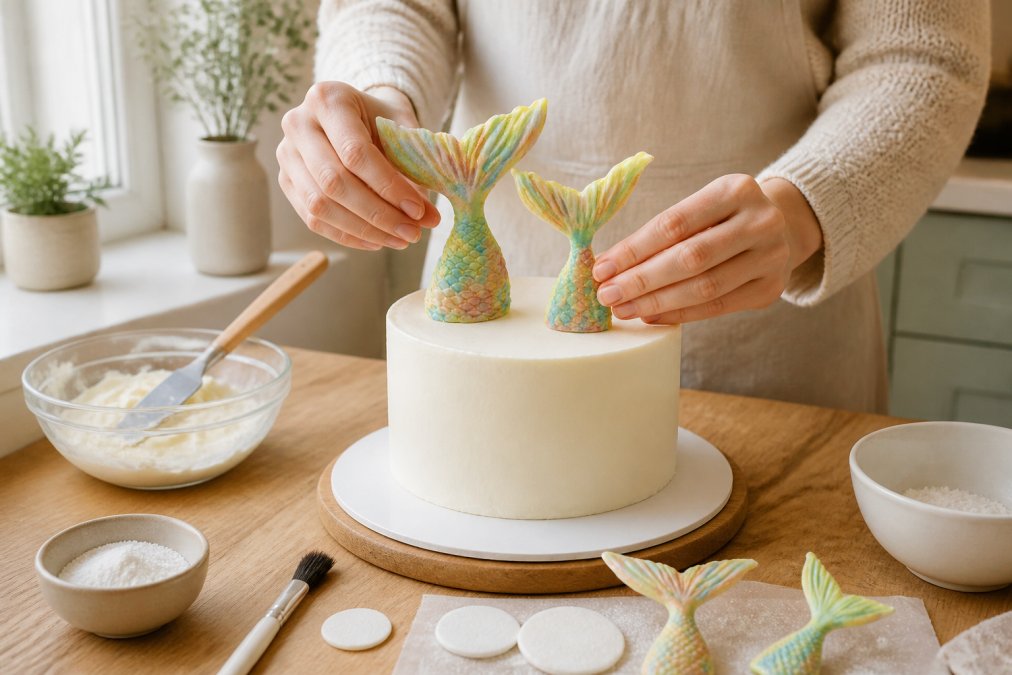
Step-by-step application guide:
-
Frost the cake first and allow the surface to crust slightly. Buttercream that's too wet will cause the topper to sink or slide. A 20-30 minute rest after frosting is usually enough.
-
Plan your layout before you commit. Lay the toppers out on a flat surface in the arrangement you want before placing them on the cake. Rearranging them once they've touched frosting is messy.
-
Use a small amount of water or edible glue as adhesive. A clean brush with a tiny amount of cooled boiled water is sufficient for most sugar paste toppers. Edible glue gives a stronger bond for heavier pieces.
-
Apply gentle, even pressure. Press the topper lightly against the frosted surface and hold for a few seconds. Don't press hard enough to crack the decoration.
-
Add toppers as close to serving time as possible. This protects them from humidity in the room and keeps colours vivid.
-
Remove any non-edible supports before serving. Wires, picks, and plastic bases must come out. Check each topper individually.
For cupcake toppers, the same principles apply. Our 30-piece edible sea shell cupcake decorations (£9.50) work beautifully on a standard swirl of buttercream with no adhesive needed, as the frosting itself provides enough grip.

According to the British Dietetic Association's guidance on food labelling and allergen awareness, clear communication about ingredients at events and celebrations is increasingly important as dietary requirements become more common. Knowing your toppers are fully edible and allergen-declared takes one worry off the table entirely.
Disposal of Non-Edible Supports and Packaging
Not every part of a cake decoration is edible, and this is worth addressing clearly because it causes genuine confusion.
Non-edible supports include the wires, picks, and plastic or wooden bases sometimes used to give decorations structural height or stability. These are food-safe but must be removed before the cake is served. Most reputable makers clearly label these components.
What to do with non-edible supports:
- Remove all supports before cutting the cake and set them aside
- Plastic picks and bases can usually be washed and reused
- Metal wires should be disposed of carefully to avoid injury
- Wooden picks and skewers are compostable in a home compost bin
Packaging disposal:
Sugar topper packaging is typically made from cardboard, tissue paper, or plastic film. Check the recycling symbols on each component. Cardboard and paper are recyclable in standard household collections. Thin plastic film (often labelled with the recycling number 4) is not accepted in most kerbside collections but can be taken to supermarket soft-plastics recycling points.
As guidance from WRAP's UK recycling guidance for consumers notes, small plastic items and films are among the most commonly misplaced in household recycling. When in doubt, check your local council's recycling guidelines.
Simply Toppers uses packaging designed to protect delicate handmade decorations in transit, and we're continually reviewing our materials to reduce environmental impact where we can.
Frequently Asked Questions
Can you eat all handmade cake toppers?
Not automatically. Whether a handmade sugar topper is edible depends entirely on what it's made from. Toppers crafted from sugar paste, fondant, gumpaste, or modelling paste are fully edible. However, some decorations use non-edible materials like plastic picks, wire, or foam for structural support. Always check the product description or ask the maker directly. Reputable suppliers clearly label their products as edible and list every ingredient, so you know exactly what's going on your cake.
What are edible cake toppers made of?
Most edible cake toppers are made from sugar paste (also called fondant or modelling paste), gumpaste, or wafer paper. Sugar paste typically contains sugar, glucose syrup, vegetable fat, and a gelling agent such as gelatine or a vegan alternative like carrageenan. Edible glitter and edible ink are often added for colour and detail. Quality toppers from specialist makers are produced using food-grade ingredients only, and many are now free from common allergens including dairy and gluten.
Are sugar paste toppers suitable for people with allergies?
They can be, but you must check carefully. Sugar paste itself is naturally free from many allergens, but cross-contamination during production is a real risk. Look for makers who clearly declare allergen information and produce in dedicated allergen-free environments. Simply Toppers, for example, makes toppers that are 100% vegan, dairy-free, and gluten-free, which makes them a practical choice for guests with coeliac disease, dairy intolerance, or those following a plant-based diet. Always read the full ingredient list before serving to anyone with a known allergy.
How long do handmade sugar toppers last?
Properly stored handmade sugar toppers typically last between 6 and 12 months before being placed on a cake. Once on a finished cake, they remain in good condition for several days at room temperature, though this depends on humidity and the type of icing underneath. Store unused toppers in an airtight container away from direct sunlight, heat, and moisture. Avoid the fridge, as condensation softens sugar paste quickly. Check the best-before date provided by your supplier for the most accurate guidance.
Planning a celebration where dietary requirements matter is stressful enough without worrying about whether your cake decorations are safe. Simply Toppers has been making 100% edible, handmade sugar paste decorations since 2013, and our entire range is vegan, gluten-free, and dairy-free, backed by our award wins at the Free From Food Awards 2025. Browse our full range and use the Quick Order Form to find the perfect decoration for your occasion.
This article was written using GrandRanker